
black rectangle bathroom mirror
Paano Palitan ang isang Water Valve Ang mga water valve ay mga mahalagang bahagi ng ating plumbing system. Sila ang nagkokontrol ng daloy ng tubig sa ating tahanan, kaya't mahalaga na maayos ang kanilang kondisyon. Kung ikaw ay nakakaranas ng mga problema sa iyong water valve, maaaring oras na upang palitan ito. Narito ang isang detalyadong gabay kung paano palitan ang isang water valve. 1. Pagkilala sa Uri ng Water Valve Bago ang anumang hakbang, mahalagang malaman ang uri ng water valve na kailangan mong palitan. Mayroong iba't ibang klase ng valve tulad ng ball valve, gate valve, at globe valve. Ang bawat isa ay may kanya-kanyang mekanismo at paggamit. Suriin ang valve na nasa iyong bahay at alamin kung ano ito. Ang isang ball valve ay madalas makikita sa mga main water supply, habang ang gate valve ay karaniwang ginagamit para sa mga section ng plumbing system. 2. Paghandaan ang mga Kagamitan Bago simulan ang proseso ng pagpapalit, siguraduhing mayroon kang mga kinakailangang kagamitan. Narito ang mga bagay na kakailanganin mo - Wrench o pliers - Screwdriver - Bucket o lalagyan para sa tubig - Teflon tape o sealing compound - Bagong water valve Siguraduhin ding mayroong masilungan na pwesto para sa iyong trabaho at ilagan ang mga gamit na maaaring makasagabal. 3. Pagsasara ng Suplay ng Tubig Ang unang hakbang sa pagpapalit ng water valve ay ang pagsasara ng suplay ng tubig. Hanapin ang main shut-off valve sa iyong bahay at isara ito. Matapos isara ang valve, buksan ang gripo sa pinakamataas na bahagi ng bahay upang ma-drain ang tubig sa mga tubo. Ito ay makakatulong upang maiwasan ang pagdami ng tubig habang nagtatrabaho. 4. Pagsasara ng Valve replace a water valve Gamit ang wrench o pliers, tanggalin ang mga koneksyon mula sa lumang water valve. Kung ang valve ay may mga bolt na nakakabit, maaaring kailanganin mong gumamit ng screwdriver para sa mga ito. Hawakan ang tubo ng maayos upang hindi ito makalangoy o masira habang tinatanggal ang valve. Ilagay ang lumang valve sa balde o lalagyan upang hindi ito magdulot ng kalat. 5. Pag-install ng Bagong Water Valve Kapag natanggal mo na ang lumang valve, oras na upang i-install ang bago. Bago ikabit ang bagong valve, siguraduhing linisin ang mga bahagi ng tubo upang matiyak na walang mga debris na makakaapekto sa koneksyon. Ilagay ang Teflon tape sa mga thread ng bagong valve bago ito ikabit upang maiwasan ang pagtagas ng tubig. Kapag nailagay na ang tape, ikabit ang bagong valve sa tubo. Gamitin ang wrench upang higpitan ang mga koneksyon, ngunit mag-ingat na huwag masyadong higpitan at masira ang mga ito. 6. Pagsubok at Pag-ayos ng Leak Matapos ang pag-install, buksan ang main shut-off valve upang ibalik ang suplay ng tubig. Suriin ang bagong valve para sa anumang tagas. Kung may napansin kang tubig na nanginginig o tumutulo, maaaring kailanganin mong higpitan pa ang ilang koneksyon o i-check ang sealing tape na ginamit. Kung maayos na ang lahat at walang tagas, congratulations! Matagumpay mong napalitan ang iyong water valve. 7. Pagtatapos at Paglilinis Kapag natapos na ang lahat, siguraduhing linisin ang iyong pinagtrabahuhan. Itapon ang lumang valve at mga debris na naiwan. Mahalaga ito hindi lamang para sa iyong kalinisan kundi para rin sa tamang pag-aalaga sa iyong plumbing system. Ang pagpapalit ng water valve ay hindi sakit ng ulo kung ikaw ay maingat at handa. Sa mga simpleng hakbang na ito, maaari kang makalikha ng mas maayos na daloy ng tubig sa iyong tahanan. Kung hindi ka sigurado sa proseso, huwag mag-atubiling humingi ng tulong mula sa isang propesyonal na plumber.
about
black rectangle bathroom mirror
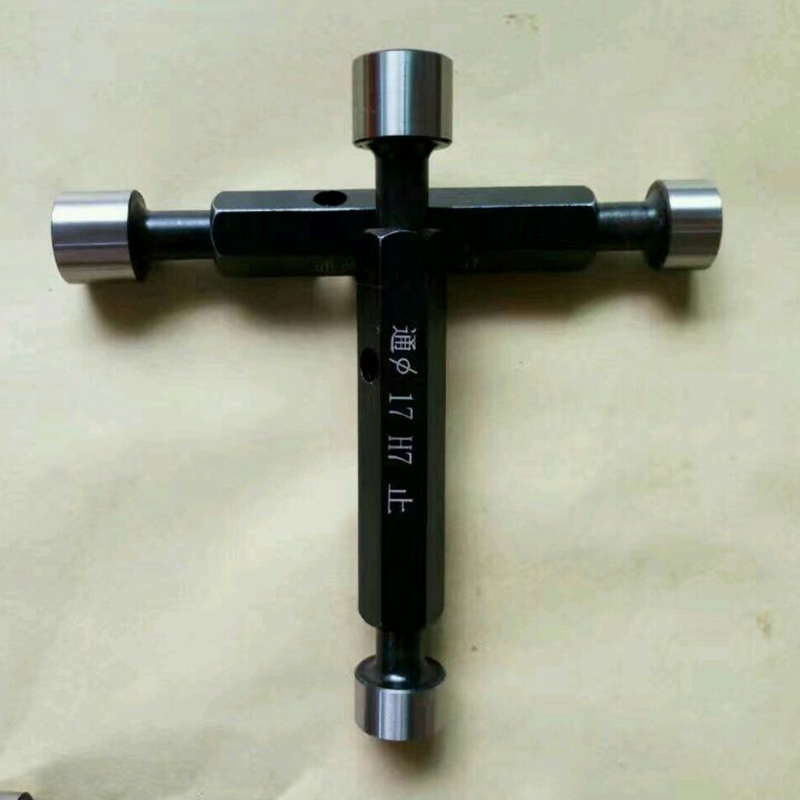
Understanding Thread Angle Gauge A Essential Tool for Precision Engineering In the world of manufacturing and precision engineering, the accuracy of threaded components is pivotal. When it comes to ensuring that screws, bolts, and nuts fit together seamlessly, one tool stands out for its importance the thread angle gauge. This instrument, often overlooked, plays a critical role in maintaining quality and consistency in mechanical assemblies, particularly in industries ranging from automotive to aerospace. What is a Thread Angle Gauge? A thread angle gauge is a specialized tool designed to measure the thread angle of various fasteners. Most threads follow standard profiles, which typically fall into specified angles, such as 60 degrees for unified threads and 55 degrees for metric threads. The gauge allows engineers and machinists to verify that the threads on a fastener conform to these standards, ensuring that they will fit properly with corresponding components. Why is Thread Angle Important? Thread angle is integral to the performance of a threaded fastener. An incorrect angle can lead to misalignment, reduced load-bearing capacity, and ultimately, mechanical failure. When parts are produced to incorrect specifications, the costs can be significant, not only in terms of rework and waste but also in potential safety hazards. Therefore, measuring the angle accurately is crucial for applications that rely on precise engineering. Types of Thread Angle Gauges There are several types of thread angle gauges, each with its specific use case thread angle gauge 1. Digital Thread Gauges These high-tech devices offer precise readings and can often store measurement data for later analysis. They are ideal for high-volume production environments where consistency is key. 2. Mechanical Thread Gauges These traditional gauges utilize physical scales or templates and are often easier to use in field conditions. They are reliable and provide quick assessments without the need for batteries or electronic components. 3. Go/No-Go Gauges This variation helps quickly determine if a part meets dimensional standards. If an angle is within the Go range, the part is acceptable; if it falls into the No-Go range, it fails inspection. How to Use a Thread Angle Gauge Using a thread angle gauge is straightforward but requires attention to detail. First, select the appropriate gauge based on the thread specifications. Place the gauge onto the threaded component, ensuring it is securely seated within the grooves. Read the angle indicated on the gauge. If using a digital gauge, ensure you have properly calibrated it before measuring. Regular use of a thread angle gauge in quality control processes can significantly enhance product reliability. It is advisable for engineering teams to incorporate these gauges into their standard operating procedures, particularly for critical applications where thread integrity is paramount. Conclusion The thread angle gauge may seem like a simple tool, yet it embodies the complexities of precision engineering. As industries continue to push the boundaries of technology and efficiency, ensuring that components fit together perfectly requires meticulous attention to detail. By employing a thread angle gauge, manufacturers can uphold quality standards, minimize failures, and enhance the safety and reliability of their products. As such, this unassuming tool is not just an accessory in the workshop; it is an essential component of modern engineering's commitment to excellence.
-

High quality industrial productsagement

High quality industrial products
View Details -

Meet the diverse needs of customers

Meet the diverse needs of customers
View Details -

Strict quality control

Strict quality control
View Details -

Top raw materials

Top raw materials
View Details -

Trusted supplier

Trusted supplier
View Details
Our application


news and information
water valve types
Understanding Water Valve Types A Comprehensive Guide Water valves are critical components in plumbi
Versatile Thread Gauge for Precision Measurement and Adjustability in Mechanical Applications
Understanding Adjustable Thread Gauges A Tool for Precision Measurement In the world of engineering
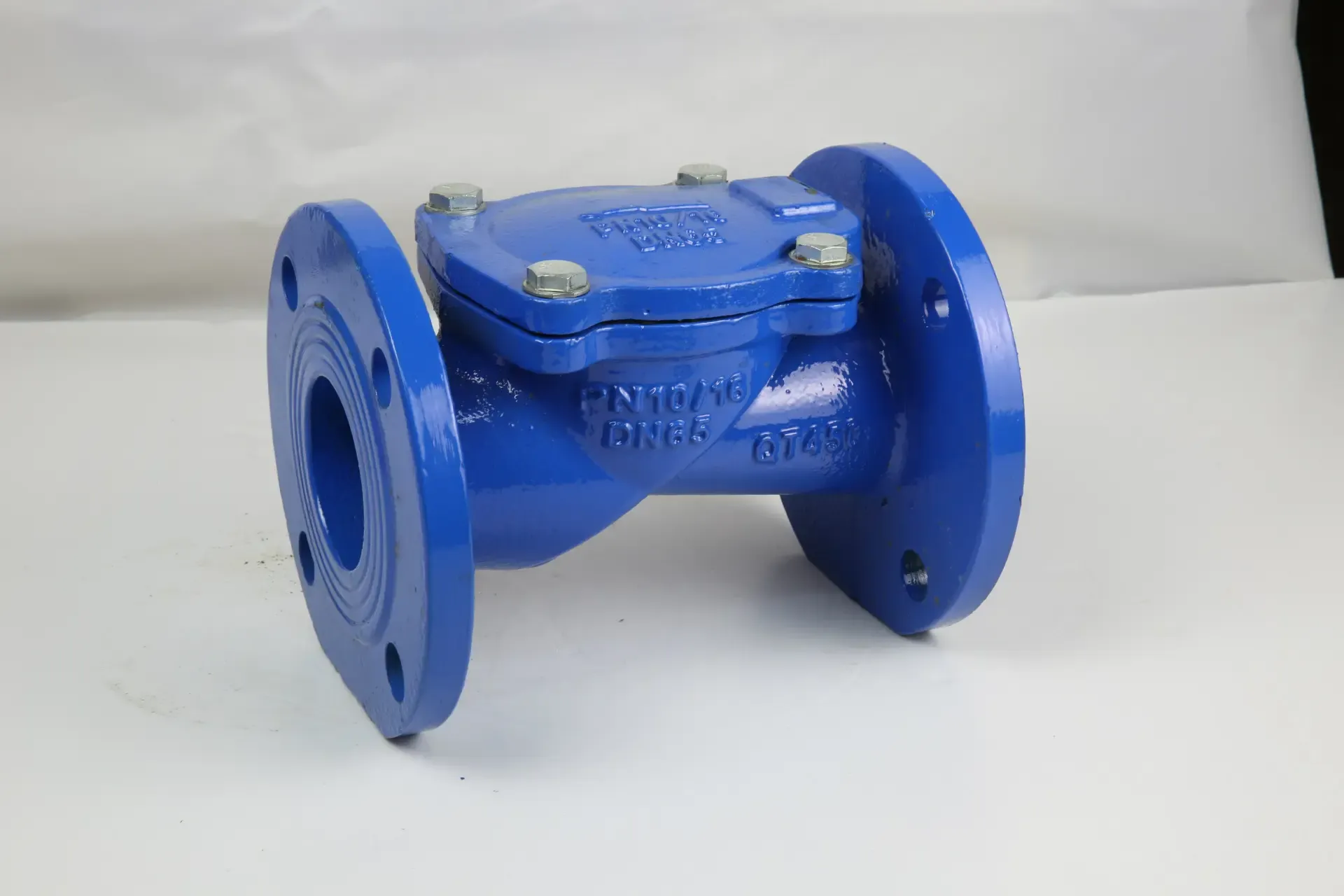
Y-Type Strainer Featuring a Convenient Drain Valve for Efficient Filtration Solutions
Understanding the Y-Type Strainer with Drain Valve Essential for Efficient Fluid Management In vario
 English